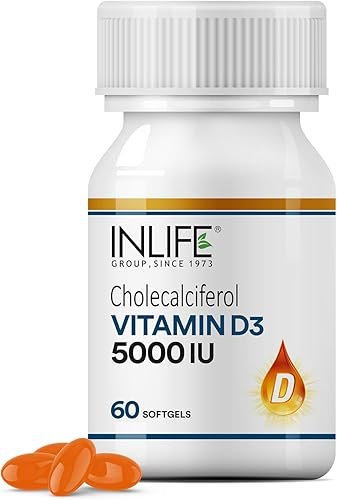
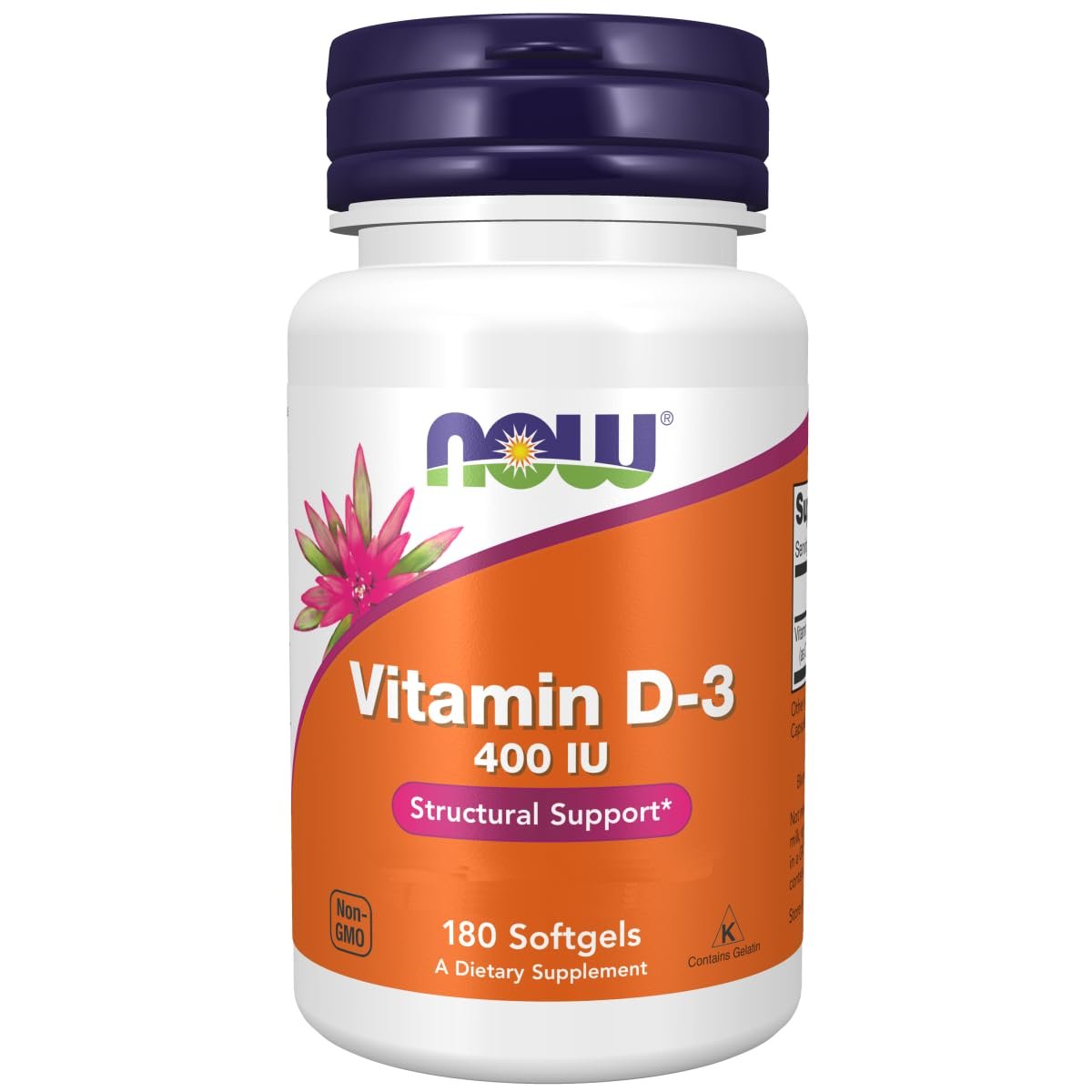
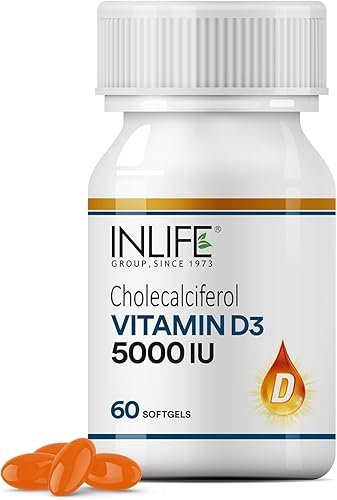
When selecting a vitamin D supplement in India, several factors should guide your decision. First, prioritize vitamin D3 (cholecalciferol) over D2 (ergocalciferol) due to its superior bioavailability and effectiveness in raising blood levels. For most people, a daily dose of 1,000–5,000 IU is sufficient for maintenance, while higher doses may be necessary for those with severe deficiencies. However, avoid excessively high doses without medical supervision, as this can lead to toxicity.
In India, where vitamin D deficiency is widespread, combining vitamin D with vitamin K2 (MK-7 form) can be beneficial. Vitamin K2 helps ensure that calcium is directed to the bones rather than the arteries, reducing the risk of arterial calcification. This combination is particularly useful for those concerned about both bone and cardiovascular health.
Be wary of marketing myths, such as the idea that more is always better. High doses of vitamin D do not necessarily equate to better health outcomes and can sometimes be harmful. Always check for third-party testing and clear labeling to ensure product quality and safety.
For more detailed information on vitamin D supplementation in India, including addressing deficiency, refer to our guide at /guides/vitamin-d3-india-guide-2026. Additionally, consider the timing of supplementation; taking vitamin D with a meal containing fat can enhance absorption.
Who should take vitamin D supplements? Nearly everyone in India can benefit, especially those with limited sun exposure, darker skin tones, or specific health conditions. However, individuals with certain medical conditions or those taking specific medications should consult a healthcare provider before starting supplementation.