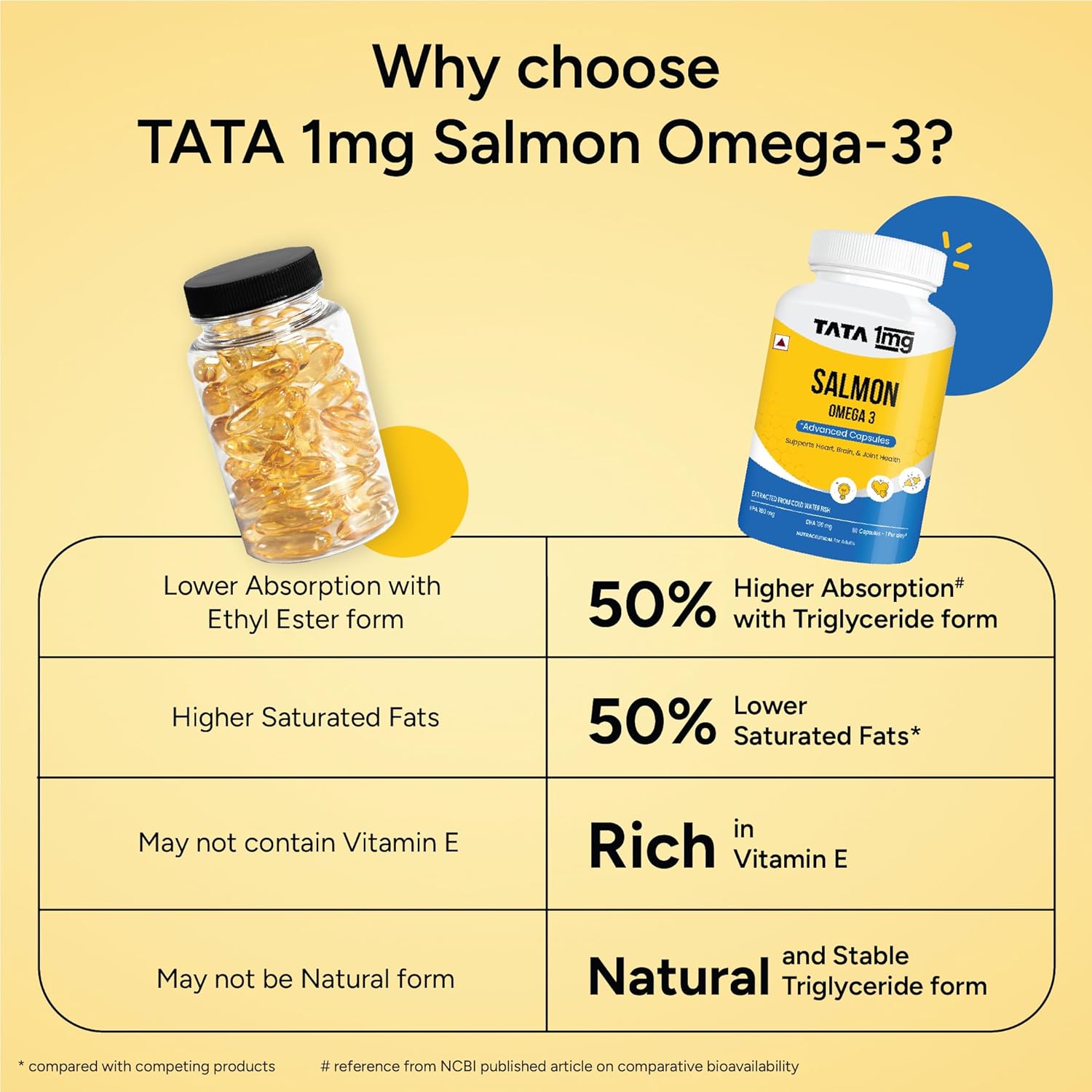
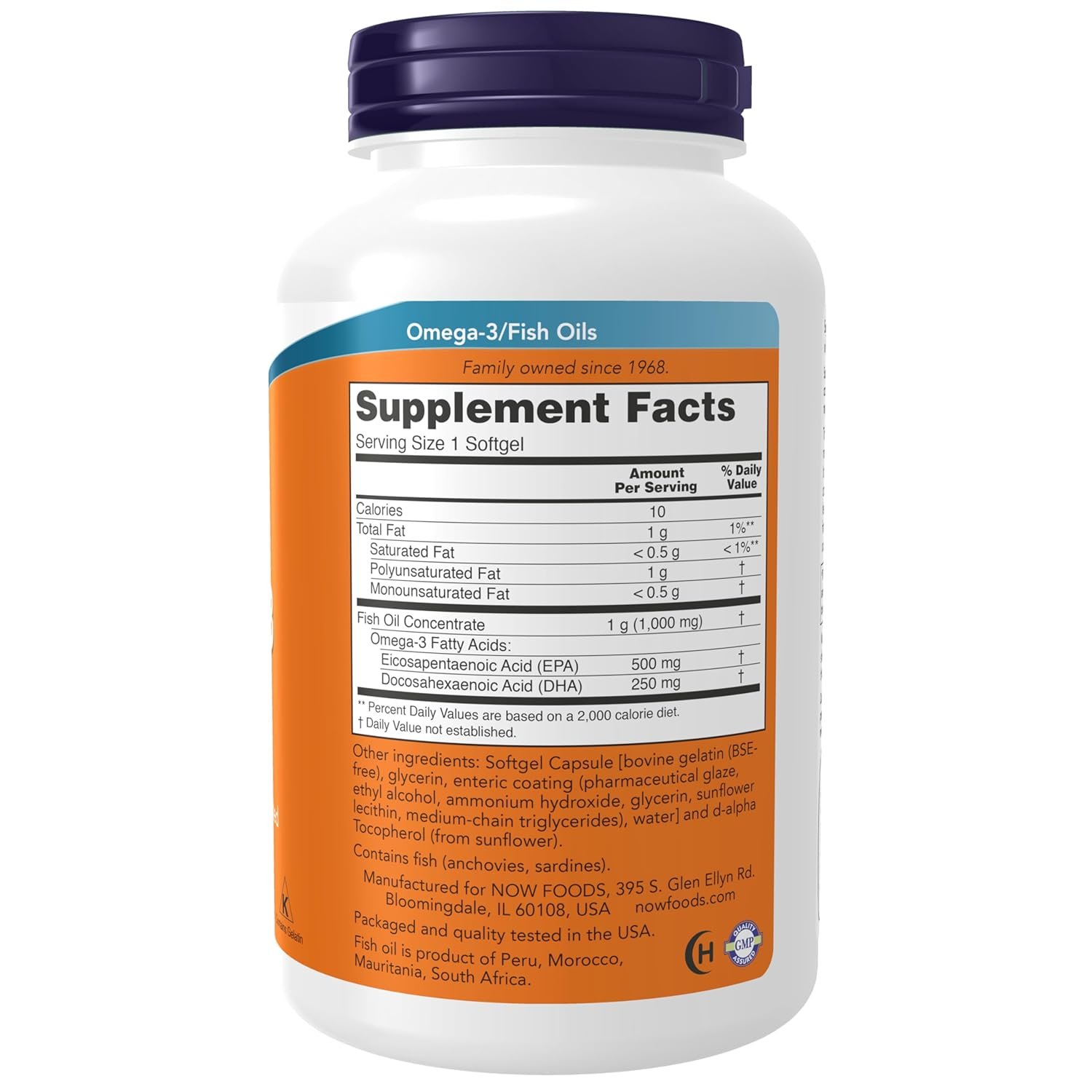
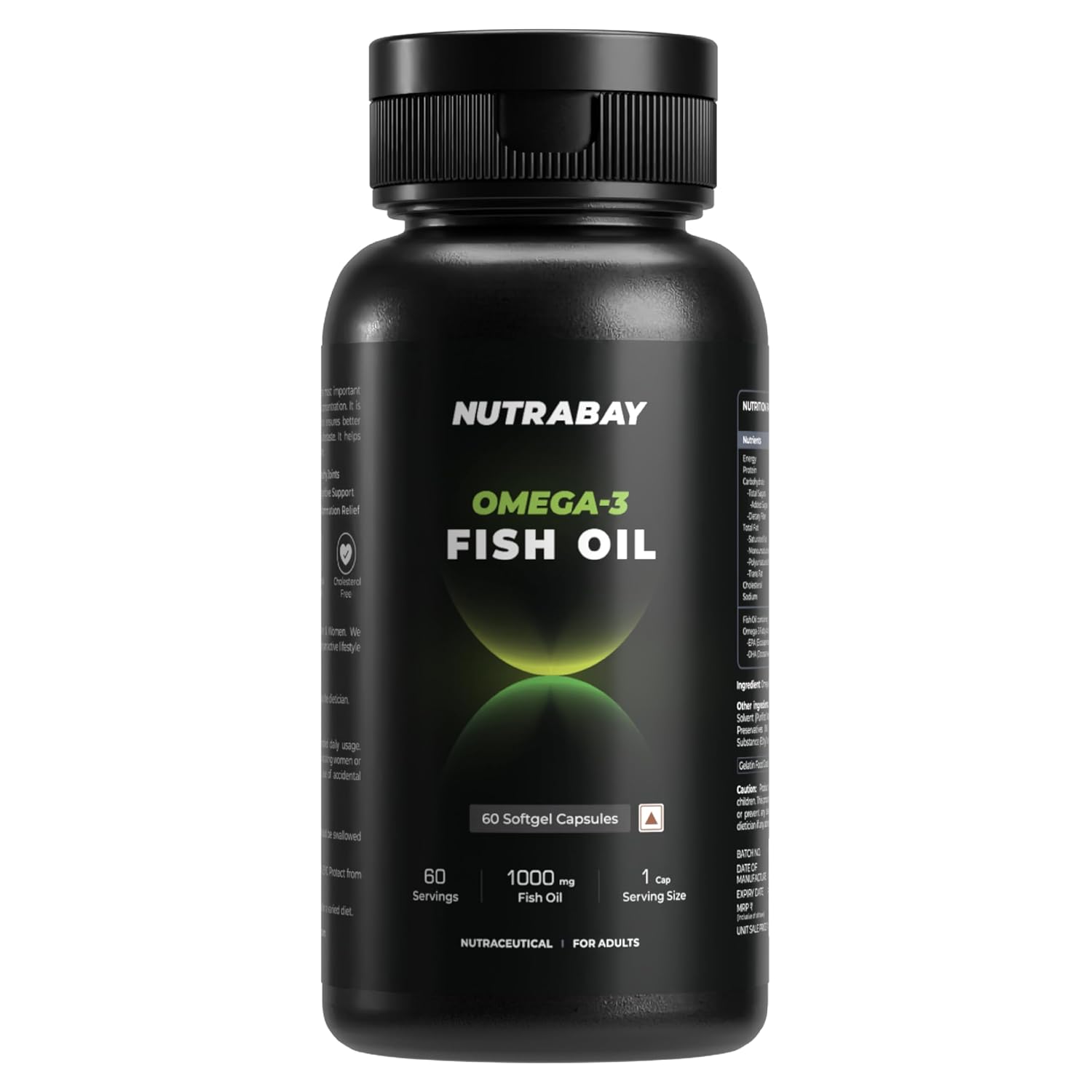
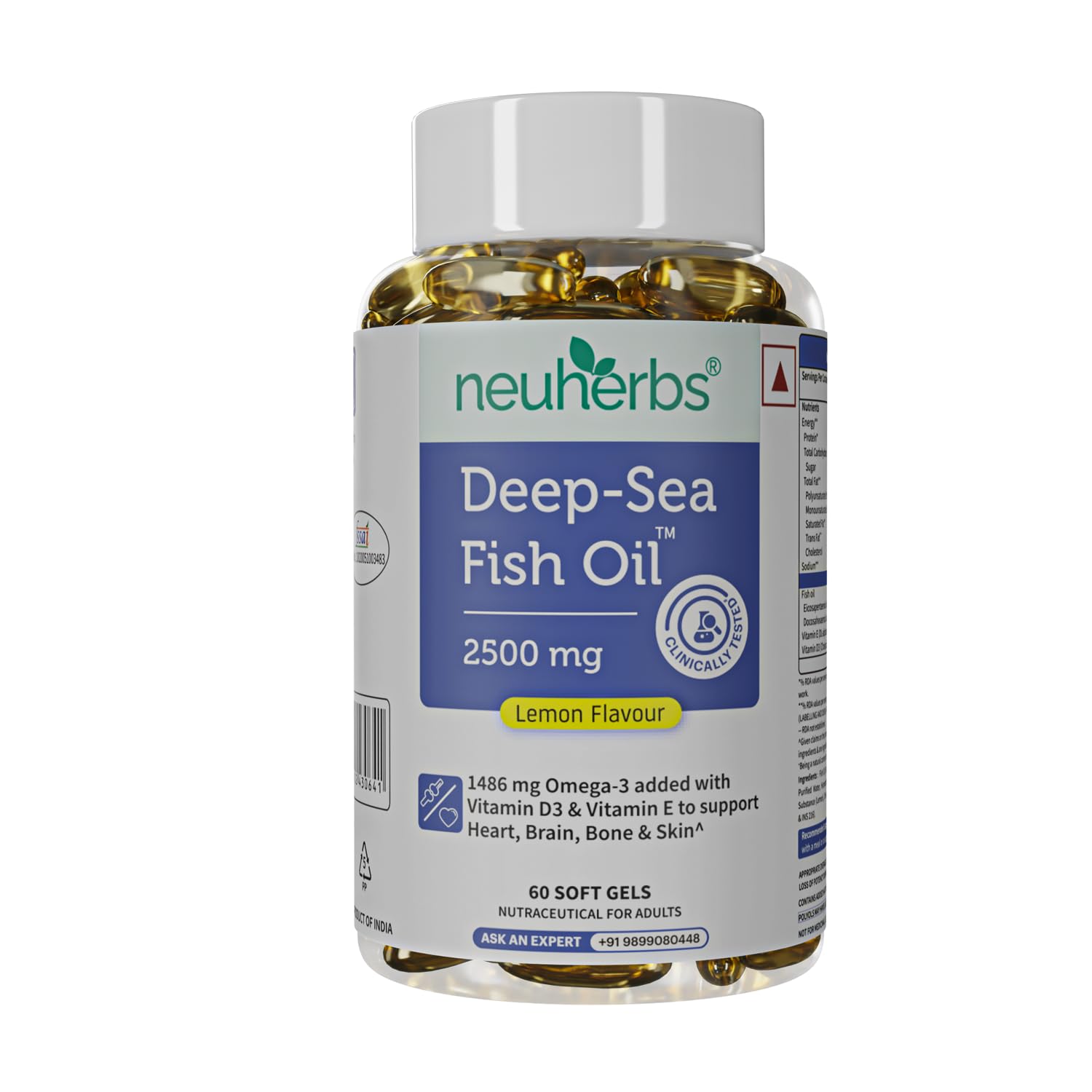
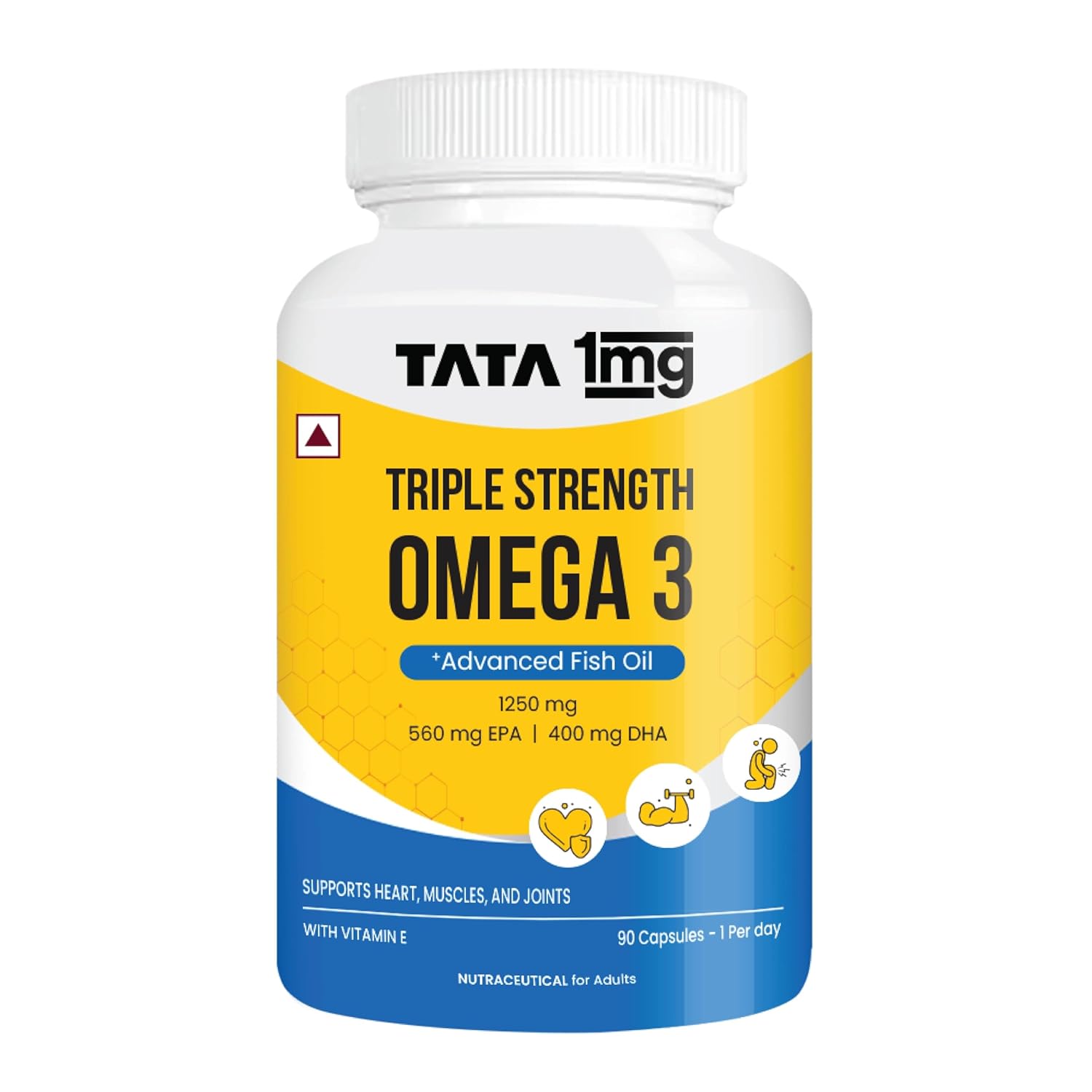
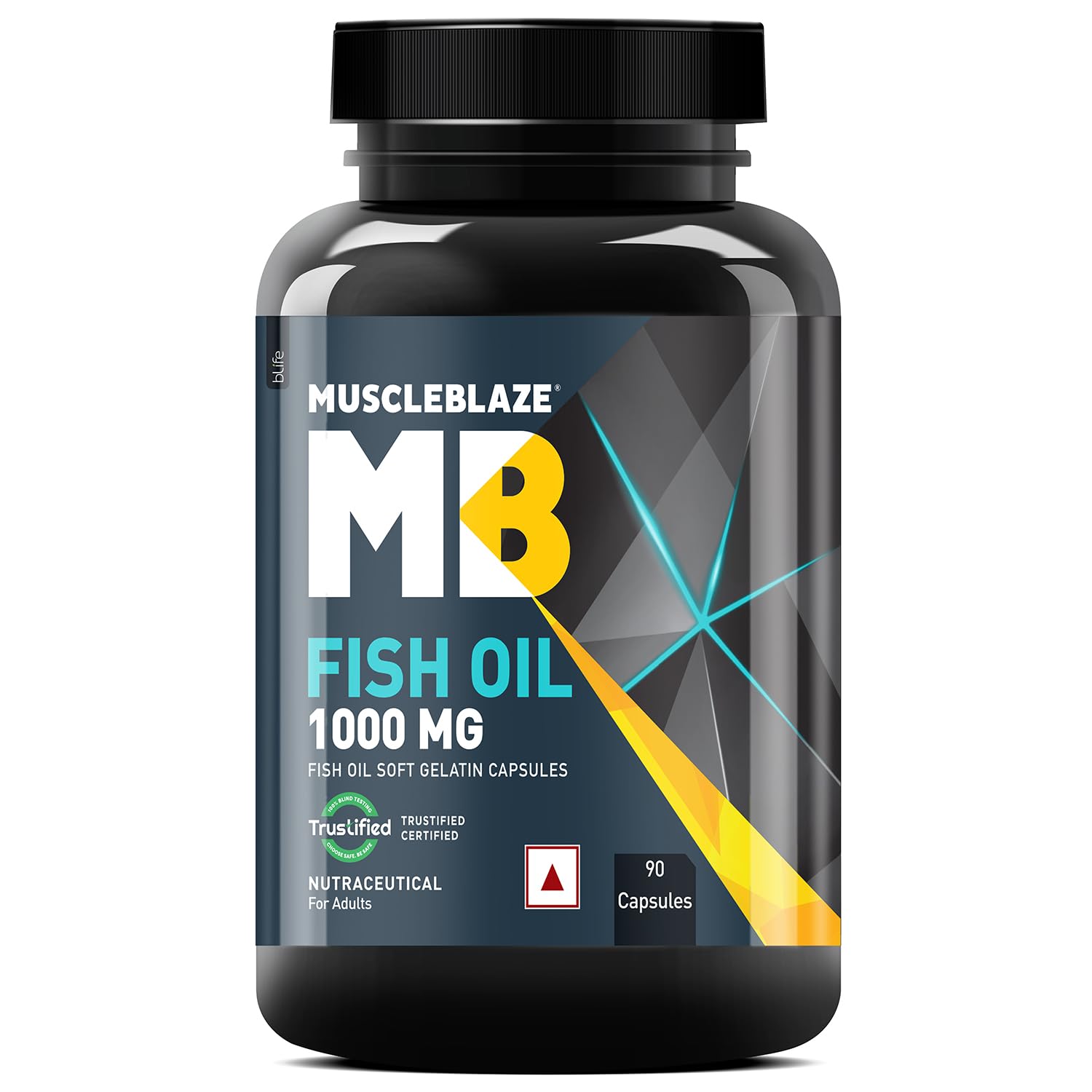
When selecting a Fish Oil or Omega-3 supplement, look for products that specify the total EPA and DHA content rather than just the total fish oil amount. Aiming for a daily intake of 1,000–3,000 mg of combined EPA and DHA is advisable for cardiovascular and anti-inflammatory benefits. Be cautious of misleading marketing claims and always check for third-party testing for purity and potency.
In India, some common red flags include brands that do not clearly label their EPA and DHA content, as well as those that use vague terms like 'high potency' without specifics. Vegetarians should consider algae oil, the original source of DHA that fish consume. Timing of supplementation can vary; however, taking fish oil with meals may enhance absorption and minimize potential gastrointestinal discomfort. For more detailed comparisons, see /guides/fish-oil-vs-flaxseed-oil.
Individuals with bleeding disorders or those taking anticoagulant medications should consult a healthcare provider before starting fish oil supplements. Pregnant women should also seek medical advice, as omega-3 needs can vary. Overall, fish oil can be a beneficial addition to many diets, but it is essential to choose wisely and understand the quality of the product.